

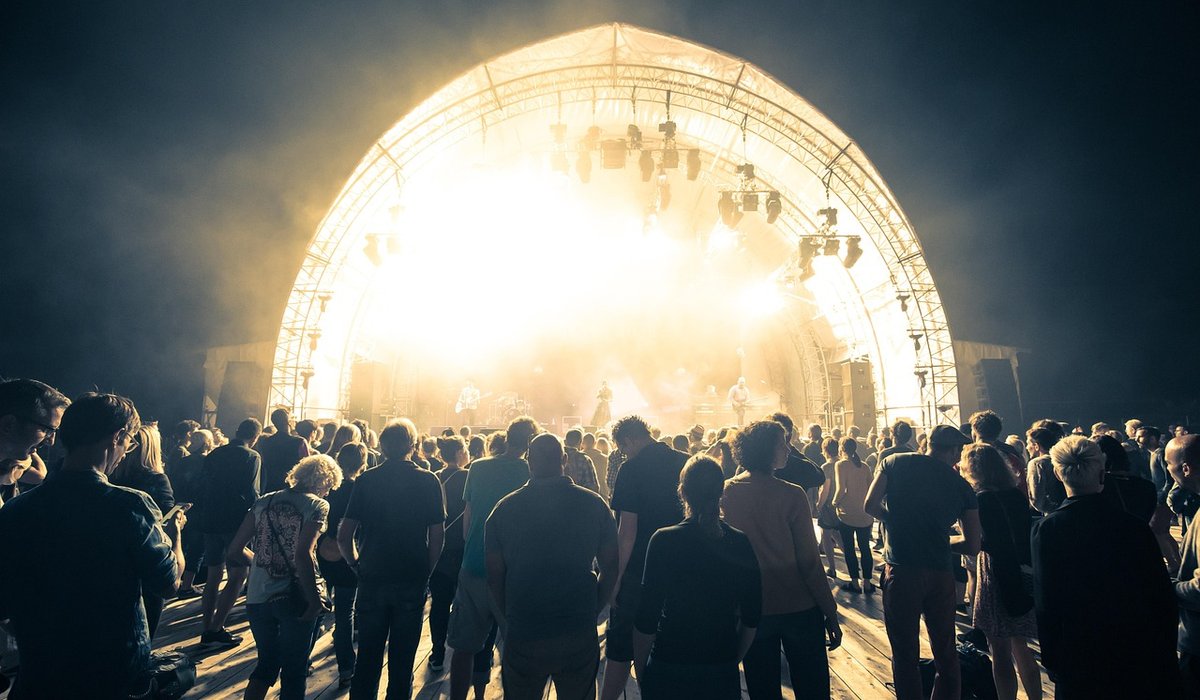
Anyone can find a folk festival. Type two words into a search engine and you'll be buried under enormous weekenders with twelve stages, camping villages and ticket prices that make you wince. What's harder to find — and considerably more rewarding — is the small gathering: the one held in a parish hall, a cricket field, a working men's club or a farmer's barn, where three hundred people sit on folding chairs and the person handing out the programmes is also singing in the second set.
These events are the living tissue of British traditional music. They are where songs get passed on, where a fifteen-year-old fiddler gets her first proper floor spot, and where you can hear a ninety-year-old singer from three villages away deliver a ballad that has never been written down. They are also, reliably, the warmest weekends you will ever spend. The trick is knowing where to look, because the small festivals rarely shout.
Big events buy advertising. Small ones rely on networks, and those networks are surprisingly easy to tap into once you know the shape of them.
Not every tiny gathering is a gem, and a few are simply badly organised. Before you book, look for these markers of quality.
Be wary of an event with no contact name, no venue details and a single social media post from three years ago. Otherwise, take a chance. Even a modest festival usually delivers one performance you will remember for a decade.
Scale changes everything. At a large festival you are an audience member; at a small one you are a participant, whether you intended to be or not.
The music itself tends to be more traditional. Big lineups lean towards contemporary singer-songwriters and folk-rock, because that is what shifts tickets. Small festivals can afford to programme unaccompanied ballads, mouth music, English country dance tunes and dialect songs, precisely because the audience came for them. You will hear unaccompanied singing — no instruments at all — which is one of the great underrated pleasures of British music and almost never survives on a large stage.
You will also get proximity. A fiddle player six feet away, playing a tune collected in the next county, is a different experience from the same player amplified across a field. And you will get conversation. At a small festival, the performers are in the queue for the tea urn with you. That is not a gimmick; it is simply what happens when three hundred people share a hall.
Small festivals often sell out quietly, so plan earlier than feels necessary.
Finding small folk festivals is a skill that improves with use. Start with one that is within an hour of home — the smaller the better — and go with modest expectations. Buy the programme. Talk to the organisers. Write your name on the mailing list, because half of these events still run on paper lists and stamps.
Within two or three summers you will have a personal calendar of gatherings that no search engine could assemble for you: the June weekend in a converted chapel, the September singaround in a pub back room, the winter wassail in a muddy orchard. That calendar is the real folk scene in Britain, and it is far larger, livelier and friendlier than the big listings suggest. It is also, quietly, waiting for you to turn up.

Longmegb And Real stories, useful guides and the occasional recommendation, all in one calm corner of the web.

Longmegb And We spend our time finding what works so you don't have to, and sharing exactly what made the difference.

Volunteers help festivals run smoothly. Roles range from stewarding to box office, with free time to enjoy the music.

Comments
ALina Kelian
19th May 2018 ReplyLongmegb And An honest, everyday look at the things that make life a little better — with advice you can actually use. ullamco laboris nisi ut aliquip ex ea commodo consequat.
Rlex Kelian
19th May 2018 ReplyLongmegb And We spend our time finding what works so you don't have to, and sharing exactly what made the difference. ullamco laboris nisi ut aliquip commodo.
Roboto Alex
21th May 2018 ReplyLongmegb And Simple, genuine and looked after with care — the kind of place worth returning to. ullamco laboris nisi ut aliquip ex ea commodo consequat.