

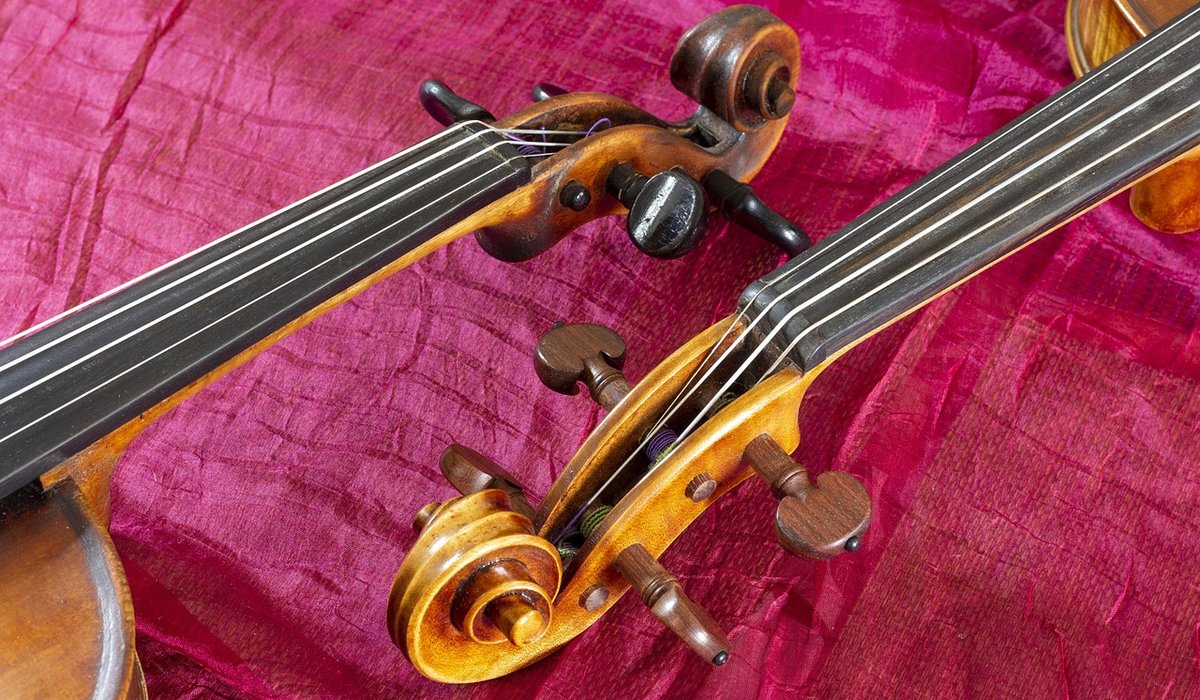
The ballad tradition of these islands — the songs carried down through the Borders, the North-East, Norfolk, the West Country and the Gaelic-speaking west — is a songwriting workshop that has been running for four centuries. These songs were never written for the page. They lived in the mouth and the memory, worn smooth by every singer who passed them on, and what survives is the load-bearing material: the lines nobody could forget, the turns nobody wanted to lose. For a songwriter today, that makes them unusually practical. Strip away the archaic phrasing and you find structures so robust they will hold almost any story you care to bring to them.
The common beginner's mistake is to lift the surface: the thee-and-thou, the lily-white hands, the milk-white steed. That gets you pastiche, and pastiche dates fast. What you want instead is the load-bearing framework underneath. A traditional ballad typically gives you:
Take those five things and fill them with your own village, your own family, your own weather. That is borrowing. Anything more is plagiarism.
This is the technique worth learning above all others. In "The Two Sisters", the youngest is pushed into the water; then she floats; then a miller pulls her out; then a fiddler makes a harp of her breastbone. Each step repeats the shape of the last with one detail changed, and the story moves forward without the singer ever having to explain anything. The listener leans in.
You can apply this immediately. If you have a chorus that returns four times, let the third line shift each time — a name, a season, a number, a place. If you have a verse about leaving and a verse about returning, keep the opening image identical and let the second half of the line change. The repetition does the emotional work; the variation does the storytelling. It is astonishing how much a song can say with almost no new words.
Ballad subjects are not quaint. They are the subjects that have never stopped mattering: parting without a proper goodbye, a lover who turns out to be false, a drowned sibling, a woman who takes to the road dressed as a man, a bargain with something that should not be bargained with, a ship that does not come home. The supernatural elements — the selkie shedding her skin, the ghost at the bedside, the hawthorn tree that will not let a couple part — are not decoration. They are how a pre-literate culture made grief and longing visible.
When you write your own version, keep the emotional core and modernise the machinery. The unquiet grave becomes a voicemail you cannot delete. The false lover becomes someone who simply stops replying. The returning sailor becomes a taxi at four in the morning. The feeling is identical; the props are yours.
Traditional tunes are usually built in short phrases that fit the line — often eight bars for the first half of the stanza, eight for the second, with the third line pushing upward and the fourth settling home. That shape is friendly to the human voice and easy to remember, which is precisely why it lasted.
If you write new words to an old tune shape, be careful: a known melody is somebody's property, and the great tunes of the tradition have been claimed by arrangers for decades. Better to write your own tune that shares the contour — rising on the question line, falling on the answer — rather than the notes themselves. Likewise with refrains: a burden of your own invention, even two syllables, can do the work of "down by the greenwood side-o" without borrowing a single word.
Try these on a wet afternoon with a guitar or a fiddle and no particular ambition:
The tradition is not a museum. It is a set of tools that were made to be picked up, used hard, and passed on with your own fingerprints on them. Take the patterns, leave the words, and write the song only you could sing.

Longmegb And Real stories, useful guides and the occasional recommendation, all in one calm corner of the web.

Longmegb And We spend our time finding what works so you don't have to, and sharing exactly what made the difference.

Playing by ear builds confidence and memory. This method breaks tunes into phrases, helping you learn without printed notation.

Comments
ALina Kelian
19th May 2018 ReplyLongmegb And An honest, everyday look at the things that make life a little better — with advice you can actually use. ullamco laboris nisi ut aliquip ex ea commodo consequat.
Rlex Kelian
19th May 2018 ReplyLongmegb And We spend our time finding what works so you don't have to, and sharing exactly what made the difference. ullamco laboris nisi ut aliquip commodo.
Roboto Alex
21th May 2018 ReplyLongmegb And Simple, genuine and looked after with care — the kind of place worth returning to. ullamco laboris nisi ut aliquip ex ea commodo consequat.